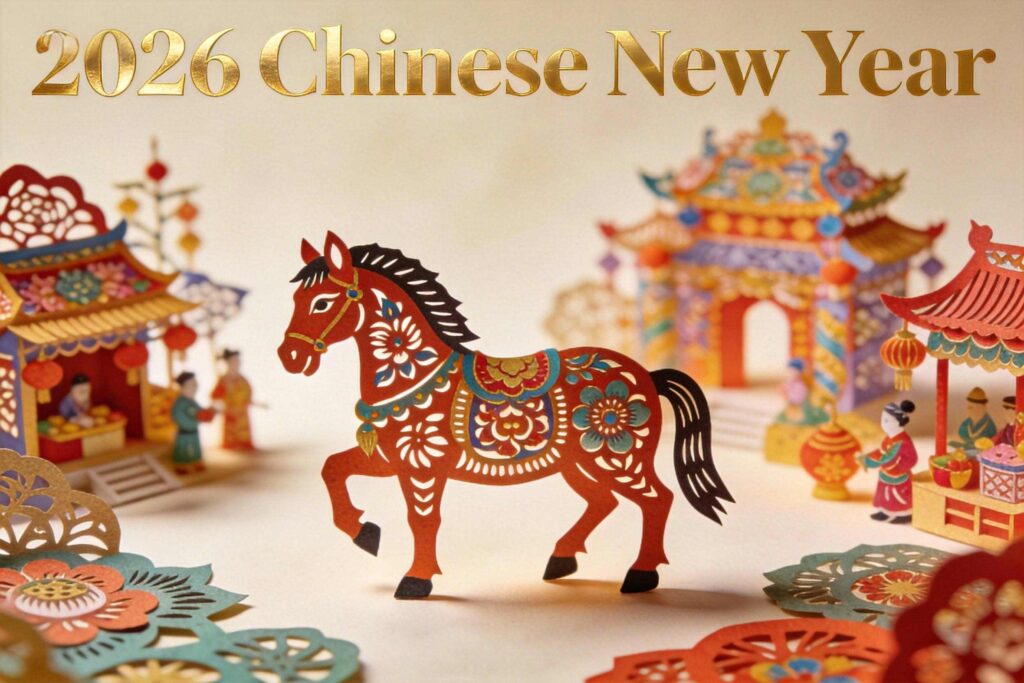
2026 The Timeless Soul of Chinese Paper Cutting Art
🏮Table of Contents🏮
From Ancient Folk Craft to Modern 3D Decor
The whisper of scissors sliding through paper is a sound that has resonated through Chinese courtyards for nearly two millennia. Chinese Paper Cutting Art, known as Jianzhi, is more than a decorative craft; it is a visual language of blessings, a silent storyteller of mythology, and a vibrant testament to the resilience of folk tradition. Today, as we move toward a more minimalist and mindful lifestyle, this ancient art is finding a second life, evolving from ephemeral window decorations into sophisticated 3D shadow box art that anchors modern Eastern Aesthetics.
The Ancestral Roots: A History Cut in Paper
The origins of Chinese Paper Cutting Art are as old as paper itself, tracing back to the Han Dynasty (206 BC – 220 AD). Before paper became a common medium, ancient artisans carved patterns into silk, leather, and even gold or silver foil. However, with the invention of paper, Jianzhi became the “people’s art.”
By the Tang and Song dynasties, paper cutting had become a sophisticated cultural practice. It wasn’t just about decoration; it was a ritual. During the Lunar New Year and wedding ceremonies, red paper cuttings were—and still are—pasted on windows and doors. The color red, symbolizing the Fire element, was believed to repel negative energy and invite “Qi” (vitality) into the home. In 2009, this enduring craft was officially inscribed on the UNESCO Representative List of the Intangible Cultural Heritage of Humanity, recognizing its profound global significance.
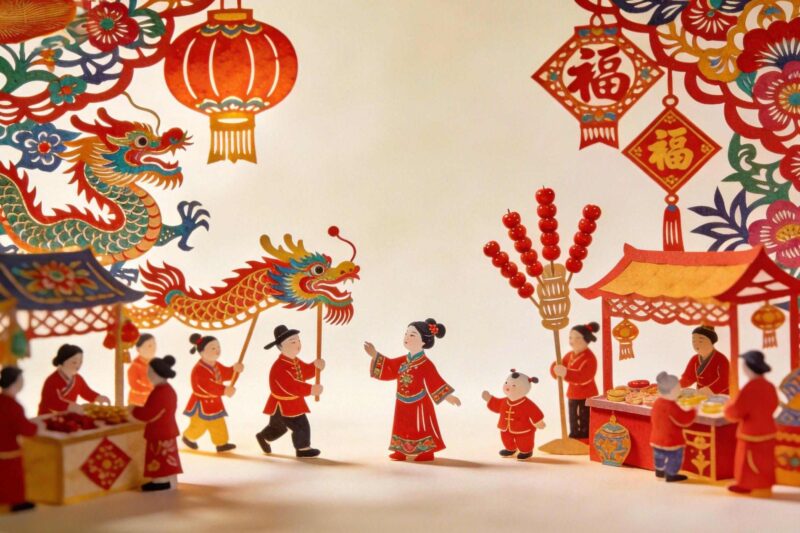
The Artistic Philosophy: The Power of "The Void"
At the heart of Chinese Paper Cutting Art lies the philosophy of “Hollow-out” (镂空 – Lòukōng). Unlike painting, where an artist adds color to a canvas, a paper-cut artist works with what is removed. It is an art of subtraction.
Symmetry and Continuity: A hallmark of traditional Jianzhi is that the entire pattern is usually cut from a single sheet of paper, with all parts interconnected. This continuity symbolizes the interconnectedness of life and the cyclical nature of the seasons.
Visual Metaphors: Every motif is a coded message. A peony represents prosperity; a crane symbolizes longevity; and the deer signifies both wealth and grace. These aren’t just patterns—they are “visual prayers” for the household.
The Shadow Effect: In its traditional form, the art relies on the contrast against a white wall or a translucent window. This interplay of light and shadow is what gives the art its ethereal, “ghost-like” beauty.
The Modern Transformation: 3D Shadow Box Evolution
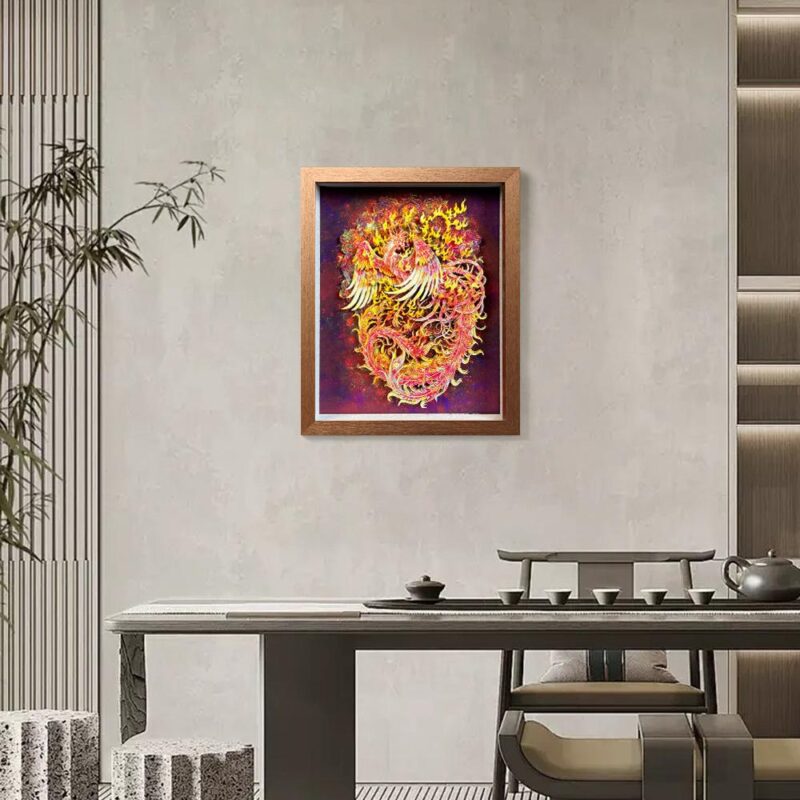
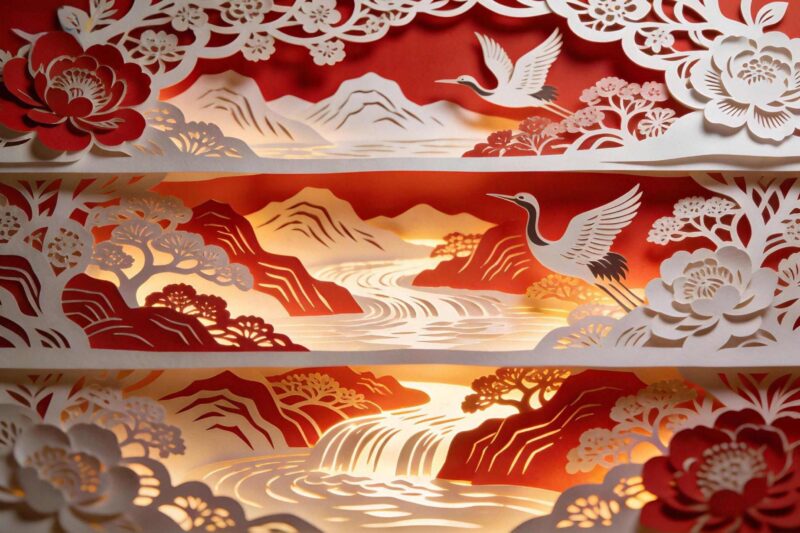
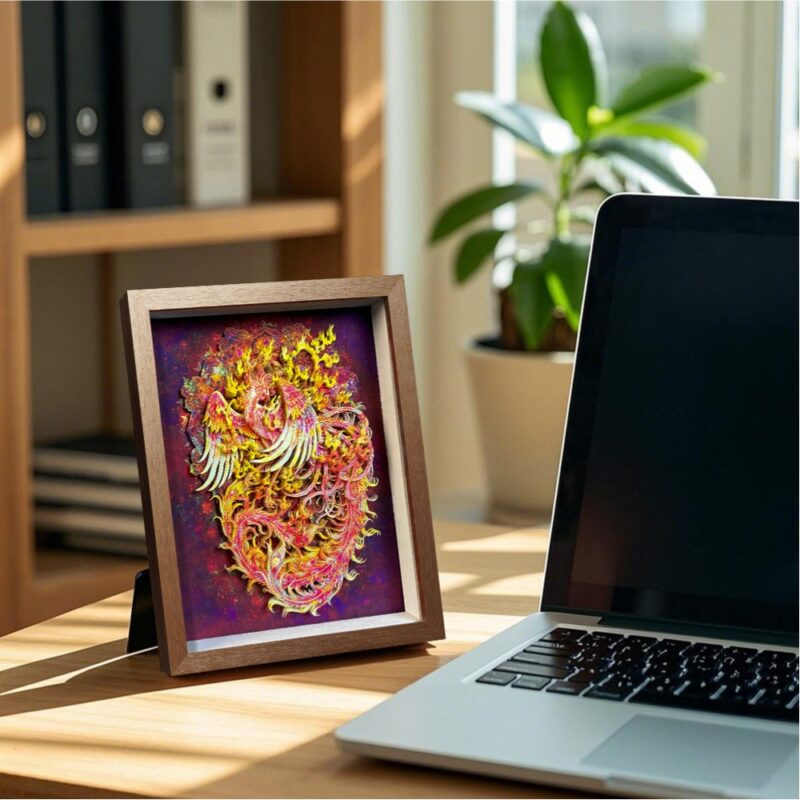
As we enter the 21st century, the art form is undergoing its most significant evolution in centuries. While the “soul” of the cut remains the same, the “structure” is changing. The move from flat, 2D window stickers to 3D Chinese Paper Cutting shadow boxes has revolutionized how we perceive this heritage.
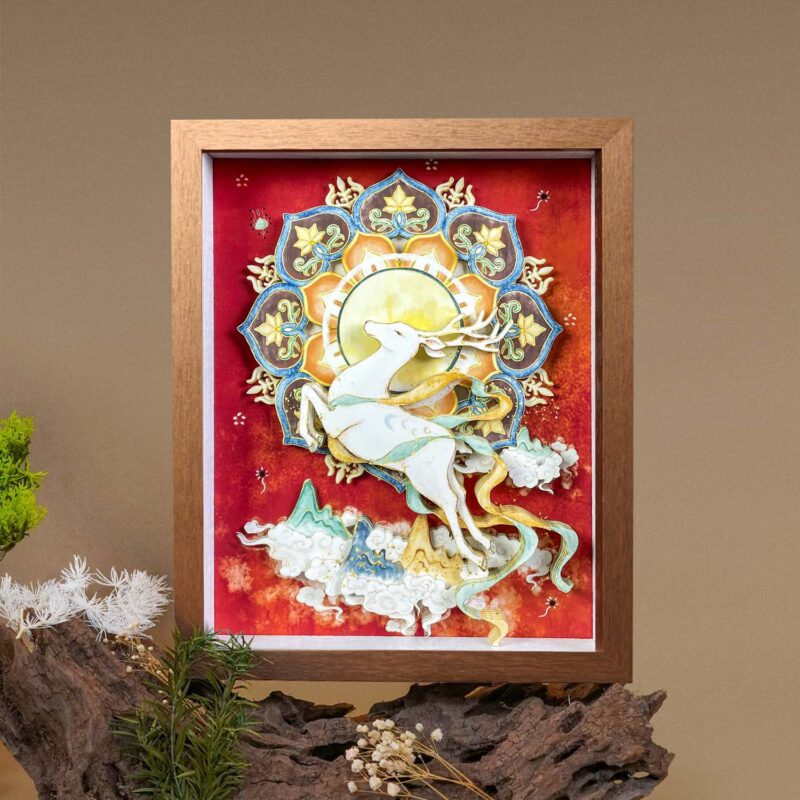
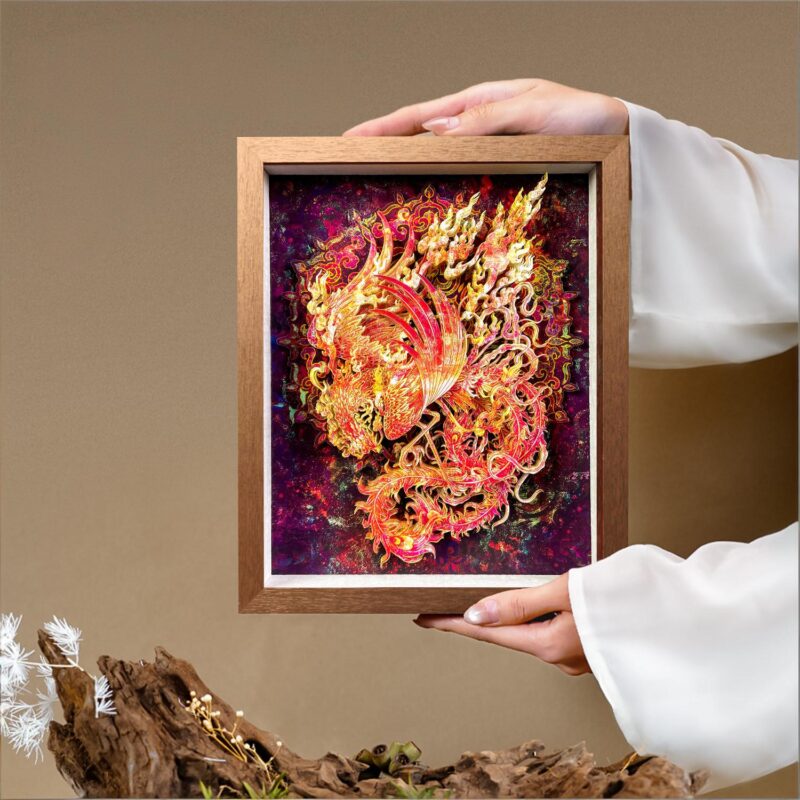
Modern designers are now using layering techniques to create a sense of depth and perspective. By stacking multiple layers of intricately cut paper—each separated by a small margin—the art creates a 3D landscape. When light hits these layers, it generates natural shadows that change throughout the day, bringing the ancient legends, such as the Nine-Colored Deer of Dunhuang, into a living, breathing reality. This innovation allows the art to hold its own alongside modern sculpture and fine art photography.
Decorative Function: Curating a Zen Sanctuary
In contemporary interior design, the challenge is often finding decor that feels “warm” but not “cluttered.” Chinese Paper Cutting Art excels in this role for several reasons:
A Focal Point of Storytelling: A piece of 3D paper art acts as a “conversation starter.” Whether it depicts the flowing silk roads or mystical mountains, it invites guests to ask about the history and the myth behind the layers.
Textural Contrast: In a room filled with hard surfaces (glass, metal, wood), the delicate, lace-like texture of paper art adds a soft, organic element. It breaks the monotony of a flat wall and introduces a layer of artisanal soul.
Cultural Grounding: For those pursuing a “Zen” or “Mindful” home, paper art provides a connection to the past. It serves as a reminder of the human hand’s precision and the patience required to create something beautiful by subtraction.
FAQ: Understanding the Heritage
Q: Why is red the most common color in Chinese Paper Cutting Art?
A: Red is the most auspicious color in Eastern culture, representing the Fire element, joy, and the sun. It is believed to bring good fortune and ward off evil spirits. However, modern 3D versions often use a broader palette (like the multi-colors of Dunhuang) to reflect the richness of ancient frescoes.
Q: Is paper cutting still done by hand?
A: While high-precision laser technology is now used for complex 3D layering to ensure museum-quality detail, the “spirit” of the design and the final assembly are still deeply rooted in artisanal craftsmanship.
Conclusion: A Living Legacy on Your Wall
Chinese Paper Cutting Art is a reminder that tradition is not a museum piece to be stared at from a distance; it is a living, breathing entity that evolves with us. By incorporating a piece of Oriental Creative Paper Art into your modern space, you are not just decorating a wall—you are preserving a lineage of beauty that has survived for two thousand years.
Explore the delicate balance between the ancient and the modern, and let the intricate shadows of Jianzhi bring a sense of history and harmony to your sanctuary.