Five Elements in Feng Shui: Wood, Fire, Earth, Metal & Water Explained
Five Elements in Feng Shui: Wood, Fire, Earth, Metal and Water Explained
🏮Table of Contents🏮
Everything in the universe is made of energy. Feng Shui is the ancient Chinese art of understanding how that energy moves — through your home, your body, your relationships, and your time.
At the foundation of every Feng Shui principle, every remedy, and every enhancement lies a single organizing framework: the Five Elements (五行, Wǔ Xíng).
If you have ever placed a crystal in the corner of a room and felt nothing change, or bought a Feng Shui product that seemed to have no effect, the most likely reason is that the element was wrong for your space or your personal energy profile. The Five Elements are not decoration — they are the operating system that determines whether any Feng Shui adjustment actually works.
This guide gives you a complete, practitioner-level understanding of all five elements, how they interact with each other, and how to use them to activate the specific areas of your life you most want to shift.
What Are the Five Elements in Feng Shui?
The Five Elements theory originated in Classical Chinese philosophy and forms the backbone of Feng Shui, Traditional Chinese Medicine, BaZi astrology, and I Ching divination. Each element is not simply a physical material — it is an energetic quality, a phase of transformation, a way that Qi (life force energy) moves and expresses itself.
The five elements are:
- Wood (木 Mù) — upward, expanding, growing energy
- Fire (火 Huǒ) — outward, radiating, illuminating energy
- Earth (土 Tǔ) — stabilizing, centering, grounding energy
- Metal (金 Jīn) — contracting, clarifying, refining energy
- Water (水 Shuǐ) — downward, flowing, storing energy
These five phases cycle continuously through nature, through time, and through every space you inhabit. The art of Feng Shui is fundamentally the art of balancing these five energies — adding what is deficient, reducing what is excessive, and harmonizing what is conflicting.
The Two Cycles: How the Five Elements Interact
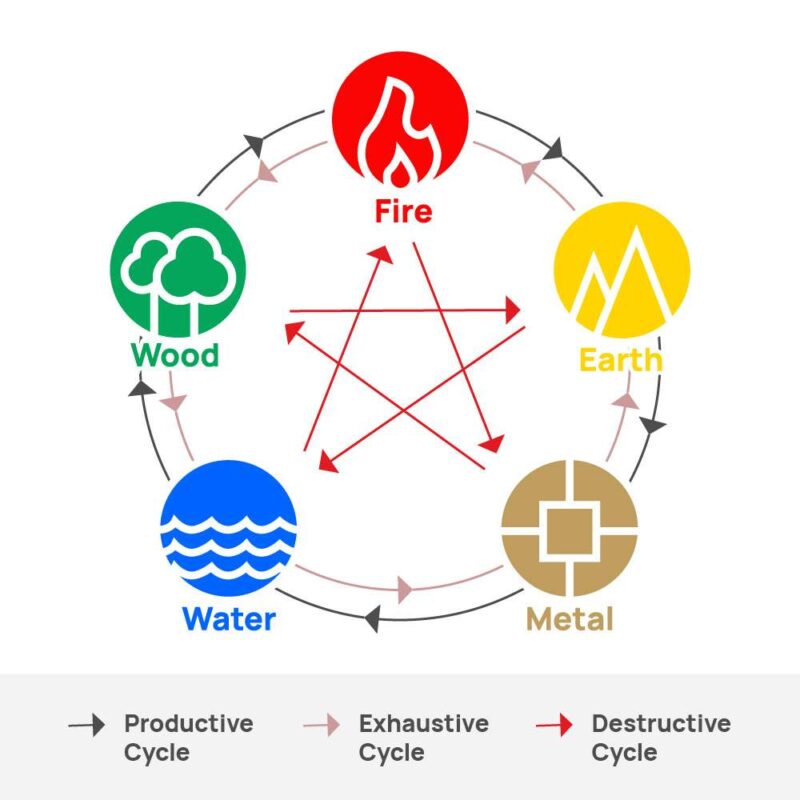
Before applying any Feng Shui remedy, you must understand how the elements relate to each other. There are two primary cycles that govern these relationships.
The Productive Cycle (相生 Xiāng Shēng)
This is the cycle of nourishment, where each element feeds and supports the next:
Water → feeds → Wood → fuels → Fire → creates → Earth → produces → Metal → generates → Water
In practical Feng Shui, you use the Productive Cycle when you want to strengthen a particular element in a space. If a room needs more Fire energy but feels too abrupt with direct Fire additions, you first add Wood — which then naturally feeds the Fire and creates a more harmonious result.
The Controlling Cycle (相克 Xiāng Kè)
This is the cycle of restraint, where each element checks and controls another:
Wood → controls → Earth → controls → Water → controls → Fire → controls → Metal → controls → Wood
The Controlling Cycle is not inherently negative — in a balanced chart or space, control is what prevents any single element from becoming excessive. Problems arise when one element overwhelmingly dominates another without counterbalance.
Understanding both cycles allows you to diagnose imbalances in a space and select remedies that restore equilibrium rather than simply adding more of what looks appealing.
The Wood Element (木)
Direction: East and Southeast Season: Spring Color: Green, teal, brown Shape: Tall, columnar, rectangular Number: 3, 4 Life Areas: Health, family relationships, new beginnings, growth
What Wood Energy Feels Like
Wood energy is the energy of spring — rising, expanding, full of potential. A space with good Wood energy feels alive, fresh, and growth-oriented. People in Wood-dominant spaces tend to feel motivated, healthy, and connected to family.
A deficiency of Wood energy in a space can manifest as stagnation, health issues (particularly affecting the liver and eyes in TCM), family tension, or difficulty starting new projects.
Wood Element Representations
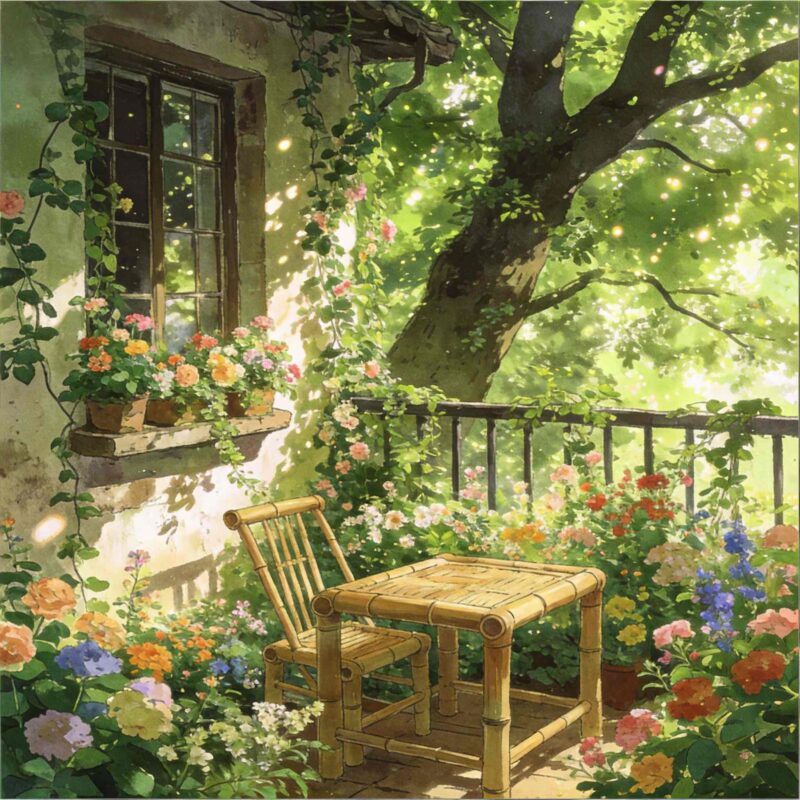
Living plants are the most direct Wood element representation. Healthy, upward-growing plants in the East or Southeast sectors of your home or office activate Wood energy powerfully.
Wooden furniture and objects — particularly those with visible grain — carry Wood energy even after the tree has been processed.
Green and teal colors in décor, soft furnishings, or artwork introduce Wood energy without structural changes.
Columnar shapes — tall bookshelves, vertical artwork, cylindrical vases — embody the upward movement of Wood.
Wood in Your Personal Chart
If your BaZi Day Master is Wood (Yang Wood 甲 or Yin Wood 乙), your personal elemental identity is rooted in Wood energy. Surrounding yourself with Water elements (which feed Wood in the Productive Cycle) strengthens your natural energy, while excessive Metal in your environment (which controls Wood) can create subtle friction and resistance.
Use our Free Five Elements Calculator to discover whether Wood is your dominant element, your supporting element, or the element your chart most needs.
The Fire Element (火)
Direction: South Season: Summer Color: Red, orange, bright yellow, pink, purple Shape: Triangular, pointed, star-shaped Number: 9 Life Areas: Fame, recognition, reputation, passion, visibility
What Fire Energy Feels Like
Fire energy is expansive, radiant, and social. A space with well-activated Fire energy feels warm, welcoming, and inspiring. It is the energy of being seen, of enthusiasm, of creative expression at its most luminous.
Deficient Fire energy in a space can manifest as low visibility in career, lack of recognition for your efforts, social isolation, or a persistent feeling that your light is not being seen by the world.
Fire Element Representations
Lighting is the most direct Fire element remedy — natural sunlight, candles, and warm-toned lamps all introduce Fire Qi. The South sector of any space benefits most directly from good lighting.
Red, orange, and bright tones in artwork, cushions, or accessories activate Fire energy. Even a single red object in the South sector of a room can shift the energy noticeably.
Triangular and pointed shapes — pyramid ornaments, star-shaped objects, angular artwork — carry Fire’s upward-radiating geometry.
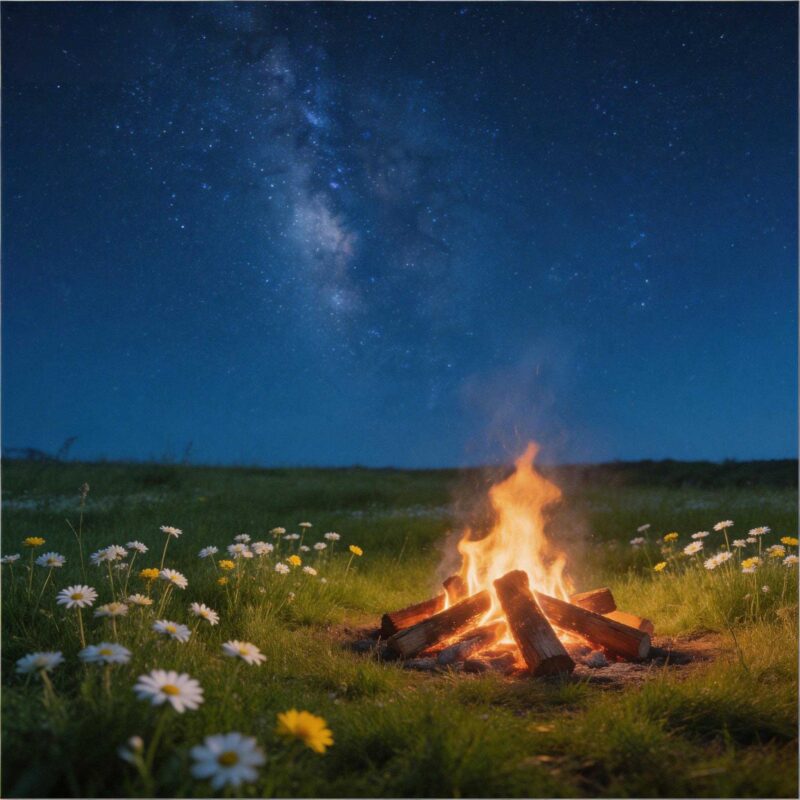
Candles and fire features are literal Fire element activators. A regularly lit candle in the South sector of your living room or office is one of the simplest and most effective Feng Shui remedies available.
Fire in Your Personal Chart
Fire Day Masters (Yang Fire 丙 or Yin Fire 丁) thrive when their environments support their natural radiance. Wood elements — plants, green tones, wooden objects — feed Fire energy and amplify your natural gifts. Water elements in excess can suppress your Fire, so be mindful of overly cool, blue-toned, or minimalist spaces if you are a Fire Day Master.
The Earth Element (土)
Direction: Center, Northeast, Southwest Season: Late summer, transitions between seasons Color: Yellow, beige, terracotta, sandy tones Shape: Square, flat, low-lying Number: 2, 5, 8 Life Areas: Stability, relationships (particularly romantic partnerships), self-cultivation, health
What Earth Energy Feels Like
Earth energy is grounding, stabilizing, and nurturing. A space with balanced Earth energy feels safe, settled, and supportive. It is the energy of home in its deepest sense — the feeling that you are held, that you belong, that your foundations are solid.
Deficient Earth energy manifests as instability, relationship difficulties (particularly in the Southwest sector, which governs romantic partnerships), digestive issues, or a persistent feeling of rootlessness.
Earth Element Representations
Crystals and stones are among the most powerful Earth element activators in Feng Shui. Citrine, carnelian, yellow calcite, and tiger’s eye all carry strong Earth frequencies and are particularly effective in the Northeast (knowledge), Southwest (relationships), and Center (overall harmony) sectors.
Our Crystal Bracelet Collection includes several Earth-element pieces specifically selected for their grounding and stabilizing properties.
Square and low-profile furniture — low tables, flat platforms, square rugs — embody Earth’s stabilizing geometry.
Yellow, beige, and terracotta tones introduce Earth energy through color. Sandy, warm neutrals are Earth’s most natural palette.
Ceramic and clay objects — pottery, terracotta pots, stoneware — are direct material representations of Earth energy.
Earth in Your Personal Chart
Earth Day Masters (Yang Earth 戊 or Yin Earth 己) are naturally stable and grounding, but can become stagnant without sufficient Fire energy to keep them productive. If your chart is Earth-dominant, spaces with warm lighting and red or orange accent pieces support your energy flow.
The Metal Element (金)
Direction: West, Northwest Season: Autumn Color: White, gray, silver, gold, metallics Shape: Round, circular, arched, dome-shaped Number: 6, 7 Life Areas: Clarity, focus, helpful people, travel, children, precision
What Metal Energy Feels Like
Metal energy is clarifying, refining, and focusing. A space with well-balanced Metal energy feels clear, organized, and precise. It supports concentration, decision-making, and the kind of focused effort that produces results.
Deficient Metal energy can manifest as difficulty thinking clearly, lack of helpful mentors or supporters in your life, challenges with children, or a general sense of mental fog and indecision.
Metal Element Representations
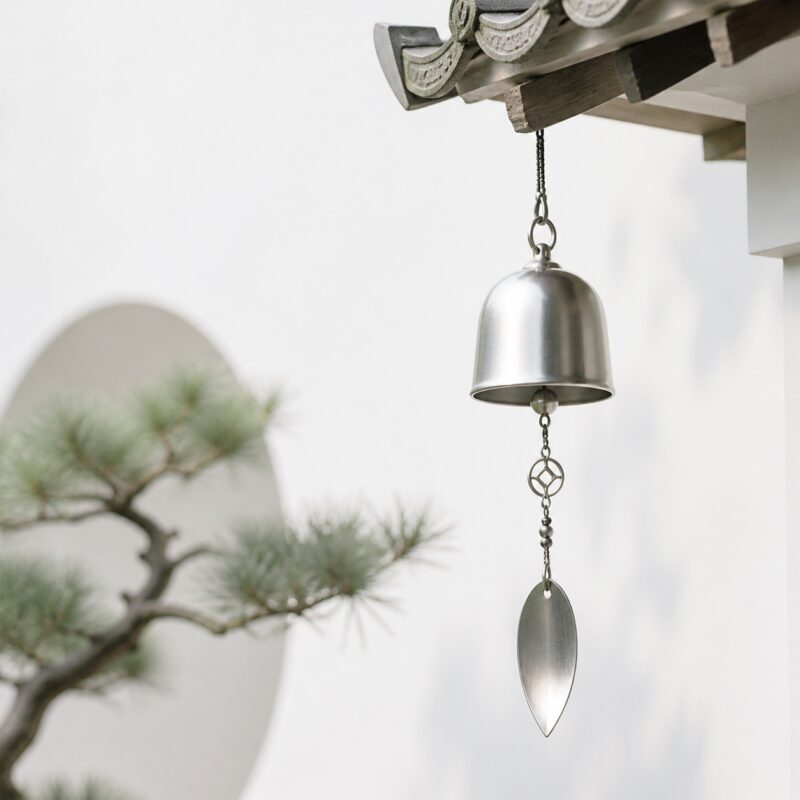
Metal objects and décor — steel, brass, copper, silver, gold — directly introduce Metal Qi. Metal wind chimes in the West or Northwest sectors are among the most traditional Metal remedies.
White and gray tones carry Metal energy through color. A predominantly white room has naturally high Metal Qi — excellent for focus and clarity, but potentially cold and isolating without balancing warm Earth tones.
Round and circular shapes — round mirrors, circular rugs, dome-shaped objects — embody Metal’s contracting, focusing geometry.
Crystals with metal-like qualities — clear quartz, white selenite, pyrite — bridge the crystal (Earth) and Metal energies effectively.
Our Feng Shui Ornaments Collection includes several Metal-element pieces — particularly in our wealth activation range, where Metal’s clarity and precision support the focused accumulation of resources.
Metal in Your Personal Chart
Metal Day Masters (Yang Metal 庚 or Yin Metal 辛) are sharpened and refined by Earth energy. If you are a Metal Day Master, surrounding yourself with Earth-element pieces — crystals, ceramics, warm sandy tones — supports your natural precision and drive.
The Water Element (水)
Direction: North Season: Winter Color: Black, deep navy, charcoal, deep blue Shape: Flowing, irregular, wavy Number: 1 Life Areas: Career, wisdom, opportunities, flow, depth
What Water Energy Feels Like
Water energy is deep, flowing, and full of hidden potential. A space with well-activated Water energy feels connected to opportunity, to wisdom, and to the quiet power of things moving in the right direction beneath the surface.
Deficient Water energy in the North sector of a home or office is one of the most common contributors to career stagnation. If your professional life feels stuck, the North sector of your space — and its Water element activation — is the first place a Feng Shui practitioner will examine.
Water Element Representations
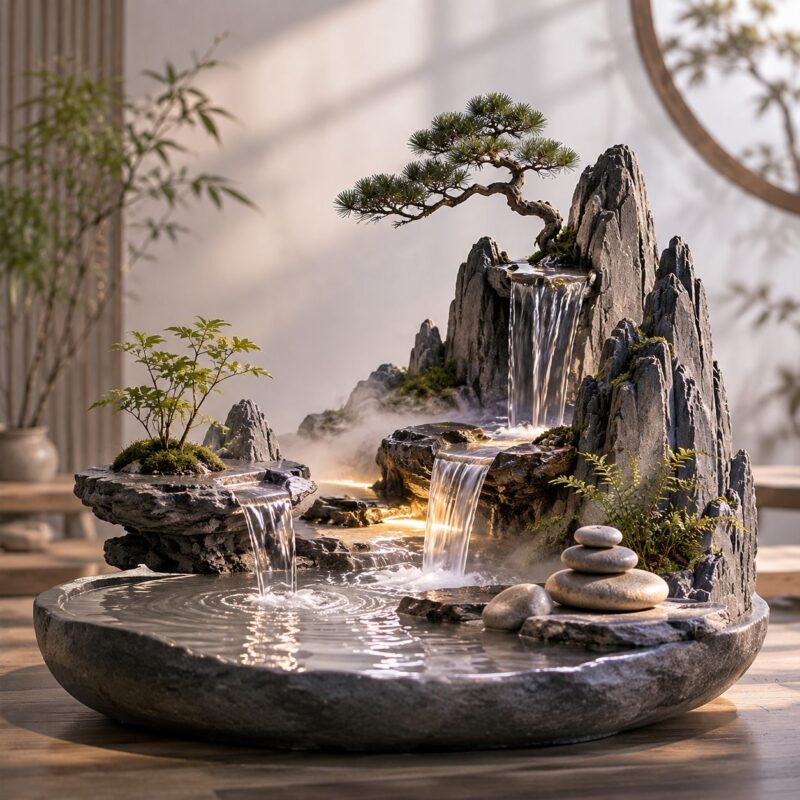
Water features — indoor fountains, aquariums, bowls of water — are the most direct Water element activators. A small fountain in the North sector of your living room or office is a classical career activation remedy.
Black and deep navy tones introduce Water energy through color. A single black decorative piece in the North sector of a room carries significant Water Qi.
Mirrors represent Water energy through their reflective, flowing quality. A well-placed mirror in the North sector activates Water Qi and metaphorically expands the sense of opportunity.
Flowing, irregular shapes — organic forms, wave-shaped objects, free-form sculptures — embody Water’s non-linear movement.
Water in Your Personal Chart
Water Day Masters (Yang Water 壬 or Yin Water 癸) are expansive and wisdom-oriented. Metal elements — metal objects, white tones, circular shapes — feed Water in the Productive Cycle and amplify your natural intelligence and flow. Excessive Earth in your environment can dam your Water energy, so be mindful of overly heavy, dense spaces.
How to Apply the Five Elements in Your Home
Understanding the five elements theoretically is only the beginning. Here is a practical room-by-room application framework.
Identify the Bagua Sectors
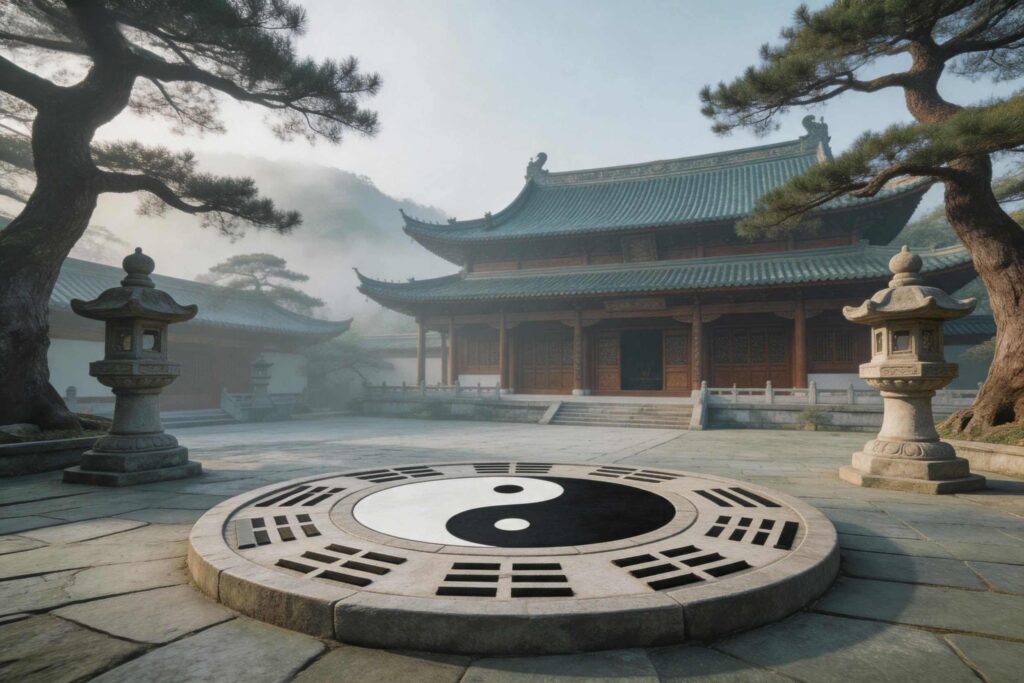
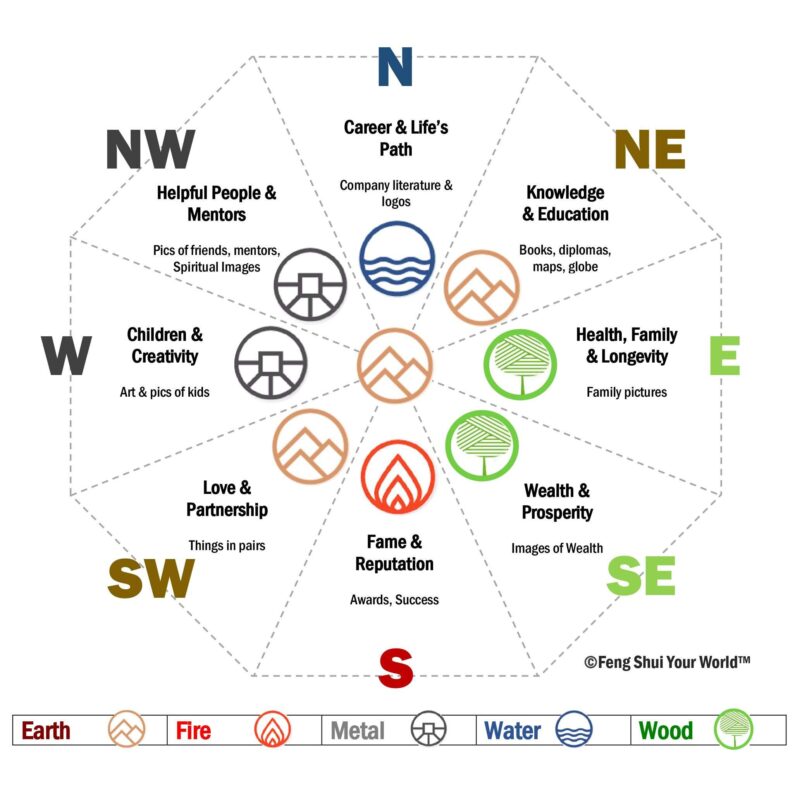
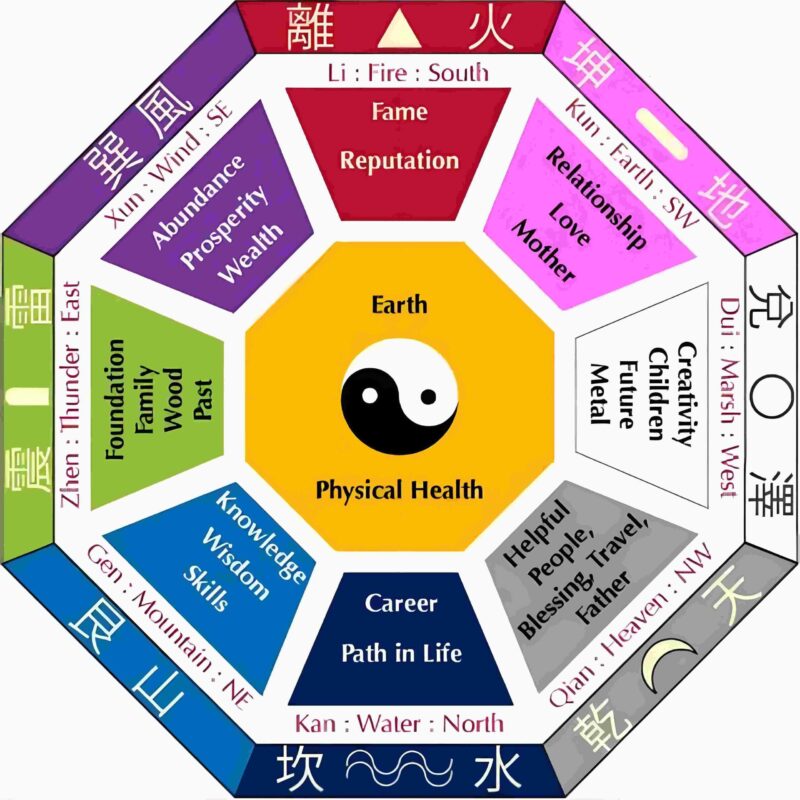
The Bagua (八卦) is the Feng Shui energy map that divides any space into nine sectors, each governed by a life area and a corresponding element. The eight outer sectors are:
- North — Career (Water)
- Northeast — Knowledge (Earth)
- East — Family and Health (Wood)
- Southeast — Wealth (Wood)
- South — Fame and Reputation (Fire)
- Southwest — Relationships (Earth)
- West — Creativity and Children (Metal)
- Northwest — Helpful People and Travel (Metal)
- Center — Overall Harmony (Earth)
To apply the Bagua, stand at your front door facing into your home. The sector directly ahead of you is North (Career). The sector to your far left is Southeast (Wealth). The sector to your far right is Southwest (Relationships).
The Three-Step Elemental Audit
Step 1 — Identify the dominant elements already present in each sector. Look at colors, shapes, materials, and objects.
Step 2 — Compare to the governing element for that sector. Is the governing element represented, deficient, or excessive?
Step 3 — Add, reduce, or rebalance using the Productive and Controlling cycles.
If the Southeast (Wealth) sector of your home is dominated by Metal energy — white walls, metal furniture, circular shapes — you have a controlling relationship: Metal controls Wood, and Wood is the Wealth sector’s governing element. The remedy is to introduce Wood and Water elements (which feed Wood) to rebalance.
Choosing the Right Feng Shui Remedies for Your Space
The most effective Feng Shui adjustments are those that work on two levels simultaneously: activating the correct sector of your space and aligning with your personal elemental profile from your BaZi chart.
A generic Feng Shui remedy placed in the right sector but mismatched to your personal element profile will produce limited results. A remedy that matches both your space’s needs and your personal elemental balance works at full power.
This is why our Feng Shui Adjustment Service begins with an analysis of both your space’s elemental map and your personal BaZi chart — ensuring that every recommendation is calibrated for maximum effect in your specific situation.
For those ready to begin immediately, our Shop is organized to help you identify pieces by element and life area. Every product description includes the elemental properties and recommended placement sector.
Your Personal Five Elements Profile
Beyond the spatial application of the Five Elements, each person carries a unique elemental profile determined by their birth date and time. This profile — revealed through BaZi analysis — shows which elements are your natural allies, which need strengthening, and which require careful management.
Knowing your personal elemental profile transforms Feng Shui from a general practice into a precision tool. Instead of applying standard remedies to standard sectors, you are working with the specific elemental frequencies that your unique energy system responds to most powerfully.
Discover your personal Five Elements profile with our free calculator →
For a complete analysis of your elemental balance, current luck cycle, and personalized space recommendations, our Feng Shui Adjustment Consultation provides a comprehensive written assessment delivered within 5–7 business days.

Frequently Asked Questions
The five elements in Feng Shui are Wood, Fire, Earth, Metal, and Water. Each element represents a specific quality of energy (Qi) and governs particular life areas, directions, colors, and shapes. Feng Shui practice involves balancing these five energies in your environment to support health, wealth, relationships, and clarity.
The two primary indicators are your space's Bagua sector analysis and your personal BaZi elemental profile. A space audit identifies which elements are deficient or excessive in each sector. Your BaZi chart reveals which elements support your personal energy and which ones you need to balance. Use our free Five Elements Calculator to identify your personal elemental profile.
Yes. Elemental excess is as problematic as elemental deficiency. A space dominated by a single element — even a positive one — creates imbalance. The goal of Feng Shui is not maximum Fire or maximum Water, but a dynamic, flowing balance where all five elements are appropriately represented relative to the space's function and the occupants' personal profiles.
No single element is universally most powerful. Each element is most powerful in its governing sector, in its governing season, and for individuals whose personal charts align with it. The power of any element in Feng Shui comes from its correct application in the right context — not from the element itself.
Crystals are primarily Earth element objects due to their mineral, stone-based nature. However, different crystals also carry secondary elemental frequencies based on their color, formation, and energetic properties. Clear quartz carries Metal frequencies. Black tourmaline carries Water and Earth frequencies. Red jasper carries Fire frequencies. When selecting crystals for Feng Shui purposes, both the primary Earth grounding quality and the secondary elemental frequency should be considered.
The core elemental structure of your space does not require frequent changes. However, annual adjustments aligned with the Chinese New Year (typically February) are recommended, as the annual Flying Stars shift the energetic map of every space each year. Monthly adjustments are practiced by advanced Feng Shui enthusiasts. A foundational audit and adjustment every one to three years keeps your space's elemental balance calibrated to your current life stage.
Master Soren is a practitioner of Xing Shi Pai Feng Shui with a specialization in elemental space harmonization and ritual activation. Every Feng Shui adjustment at Prophecy Gifts is personally overseen by Master Soren.
Ready to harmonize your space? Explore our Feng Shui Collection or book a personalized Feng Shui Adjustment Consultation.